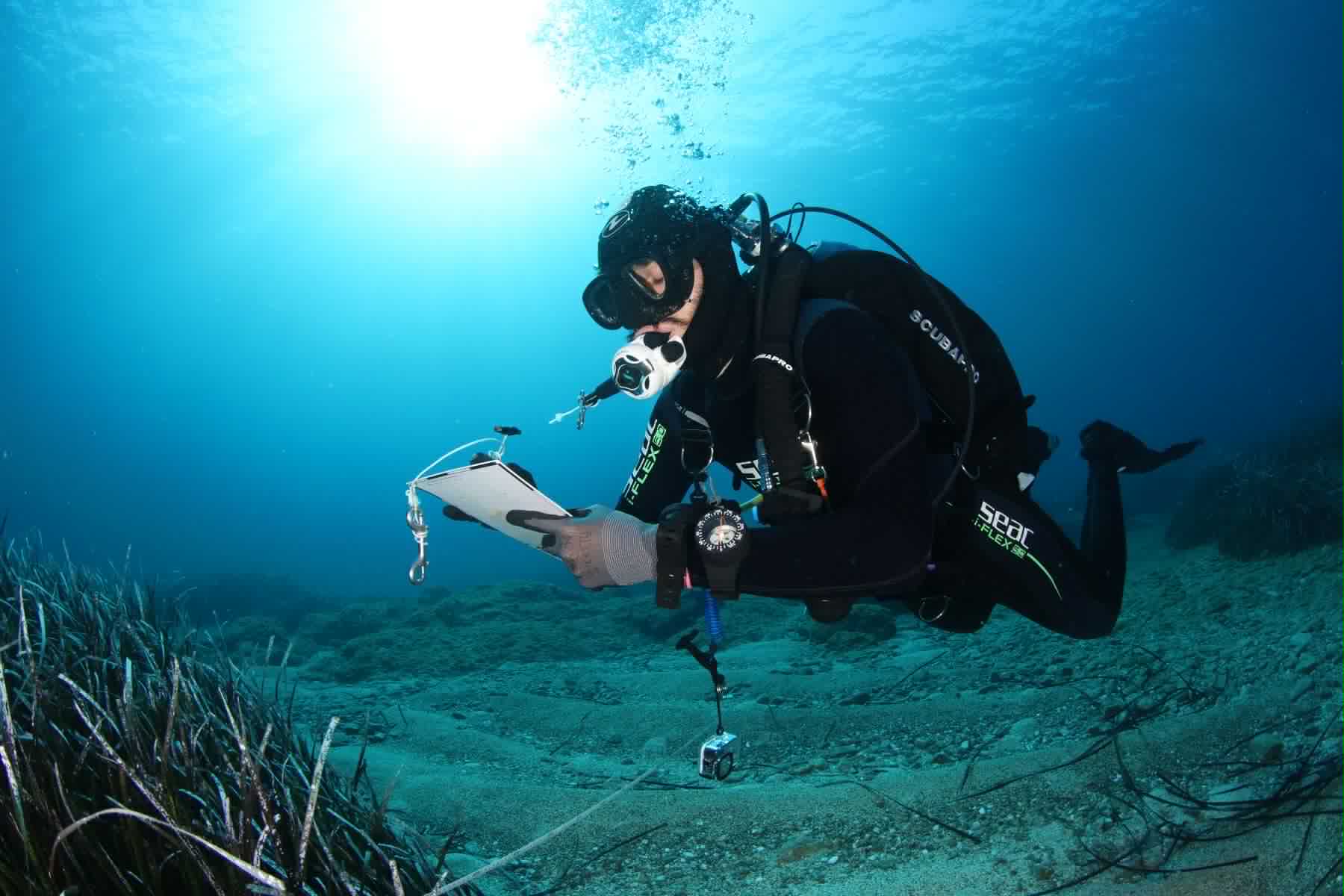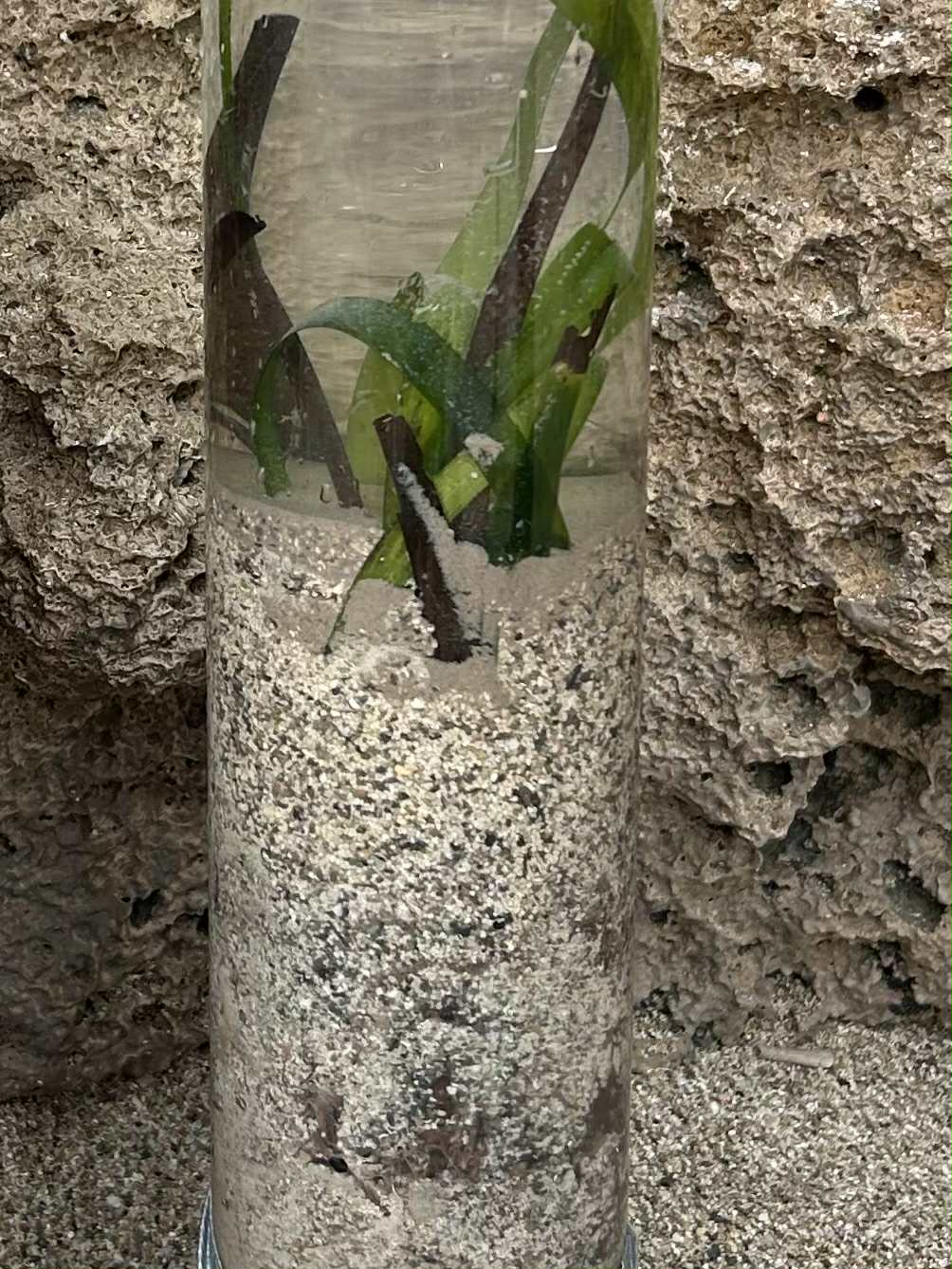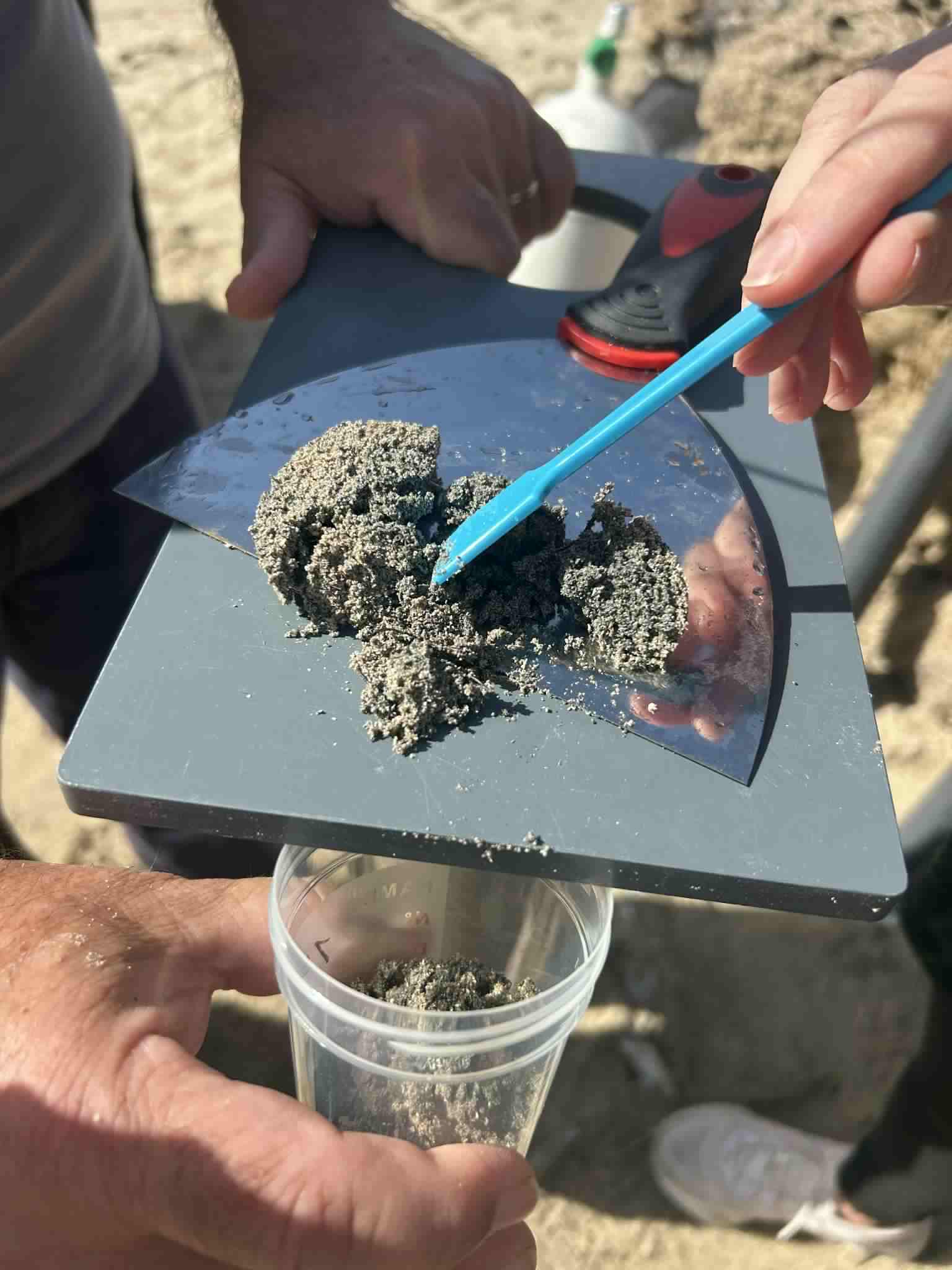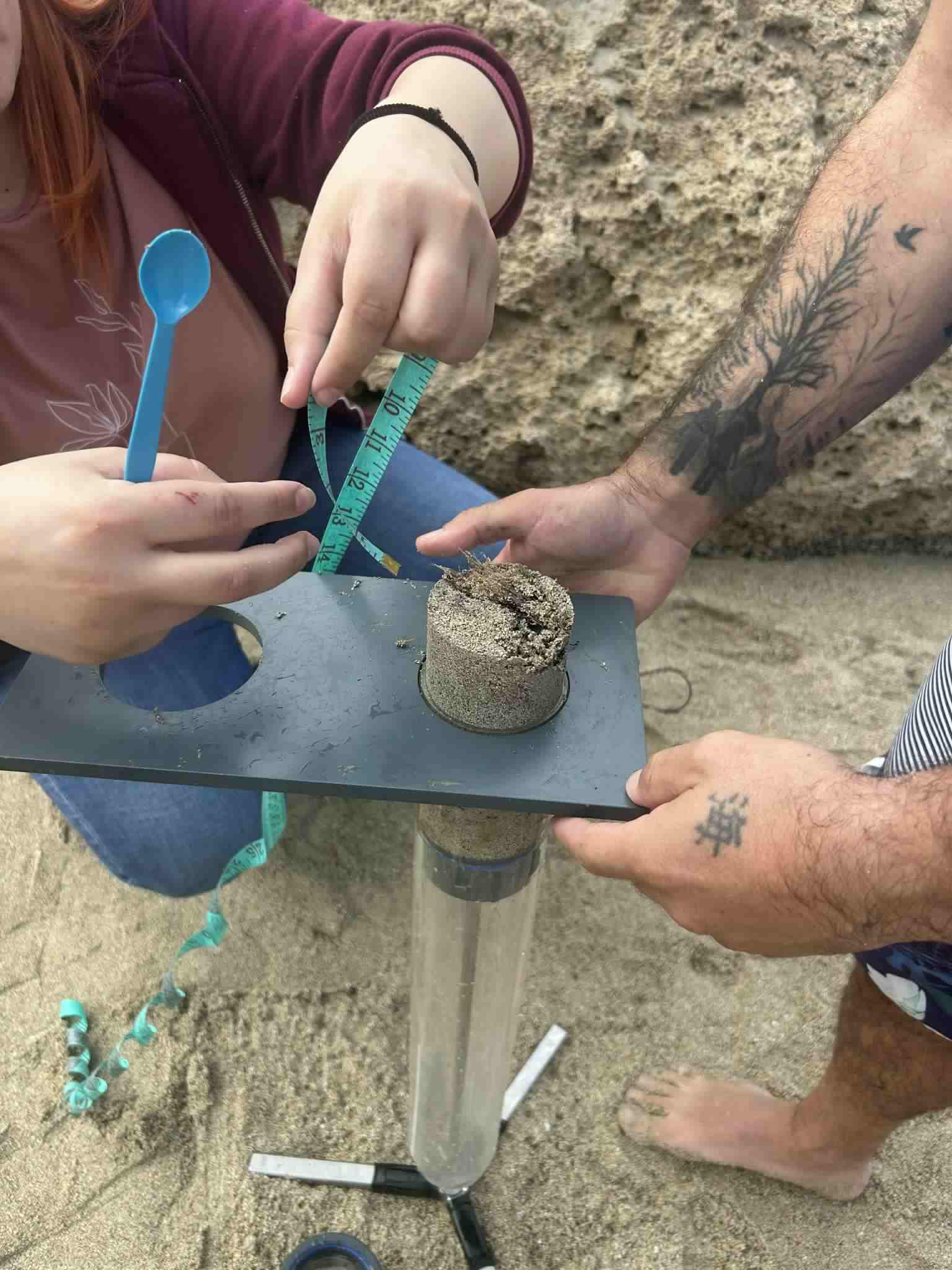




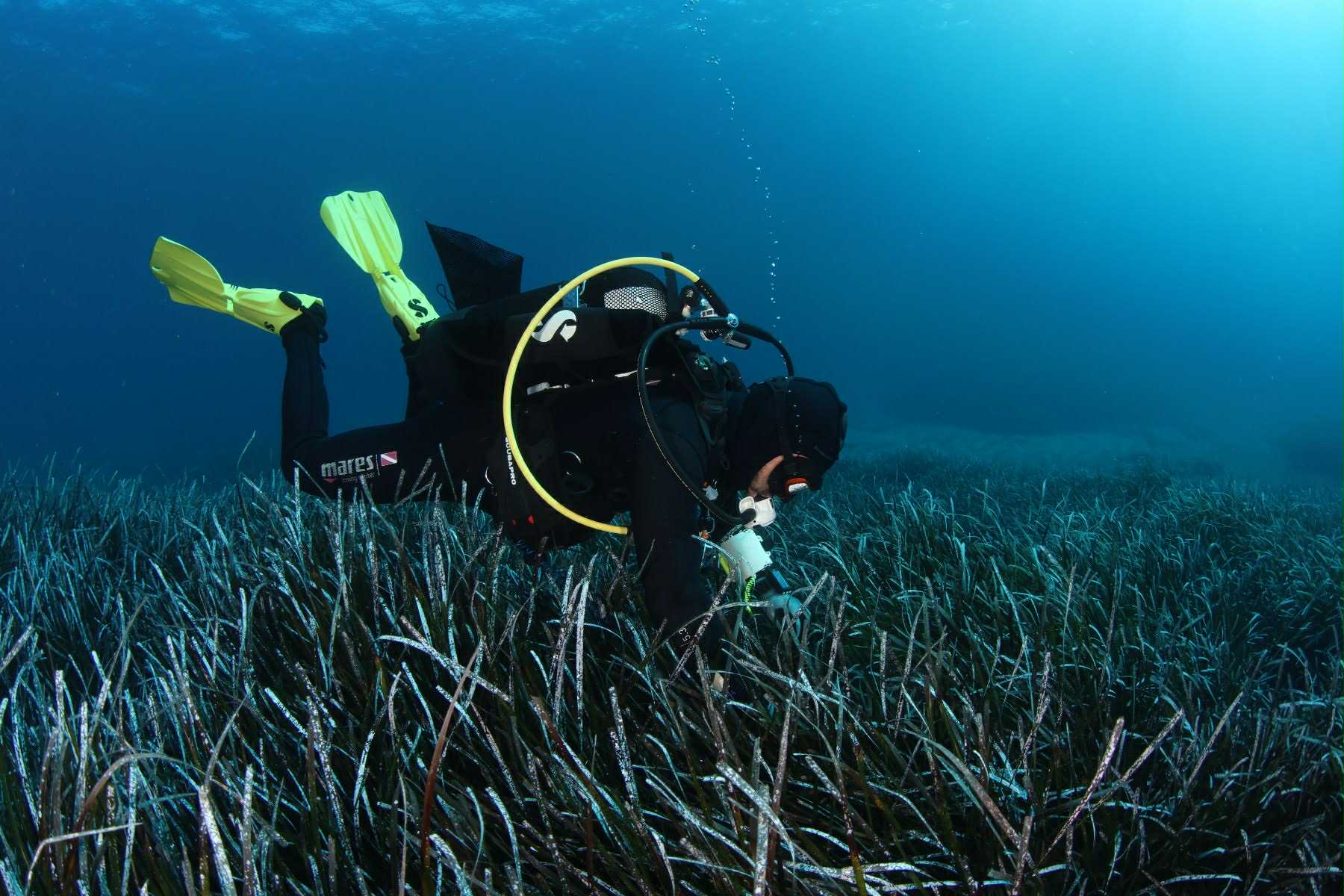
The first sampling expedition of the BLUEQ Project at Falasarna Bay (Crete) has been successfully completed, marking an important step toward understanding Posidonia oceanica ecosystems and their role in blue carbon storage in the wider region.
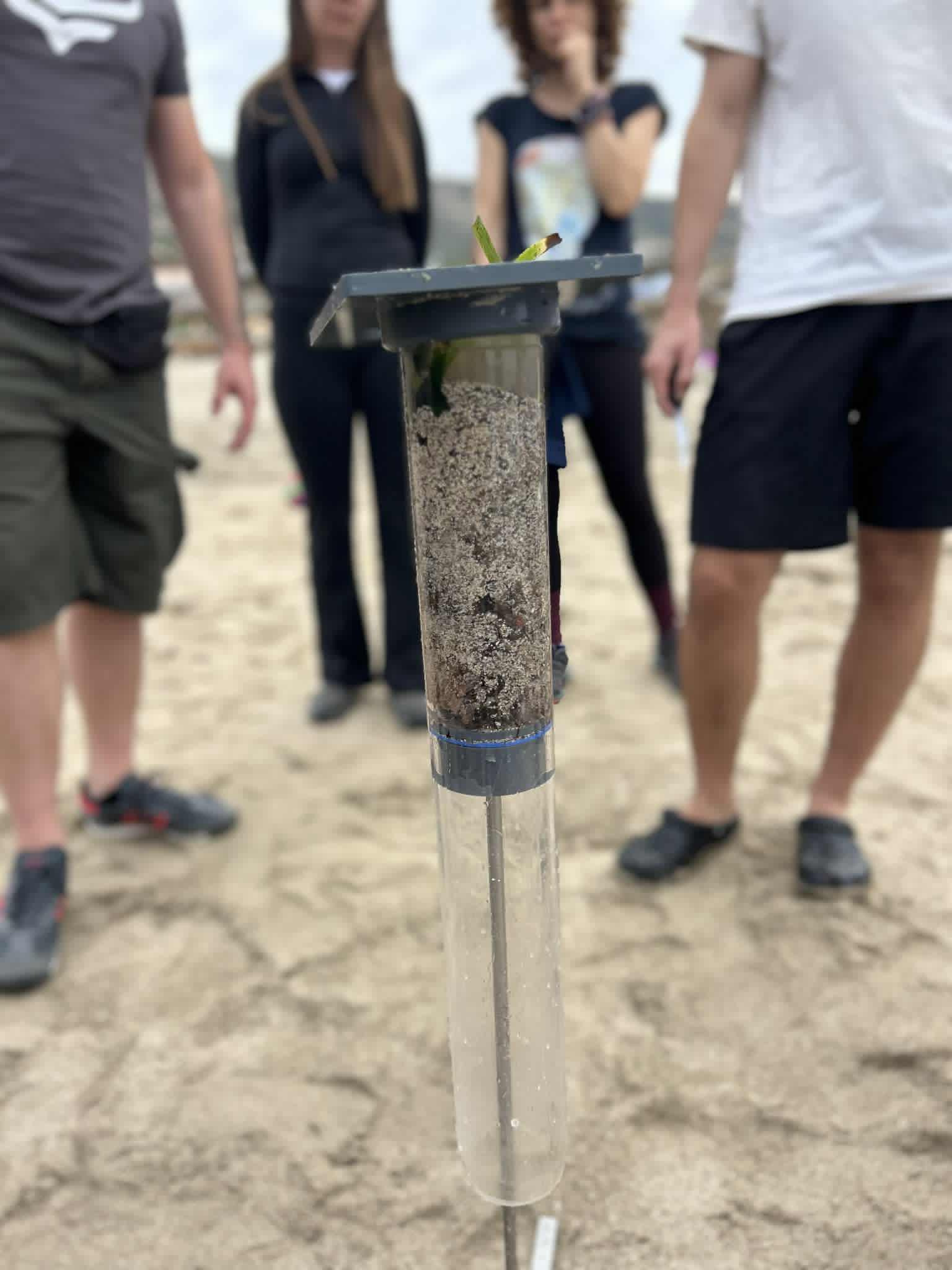
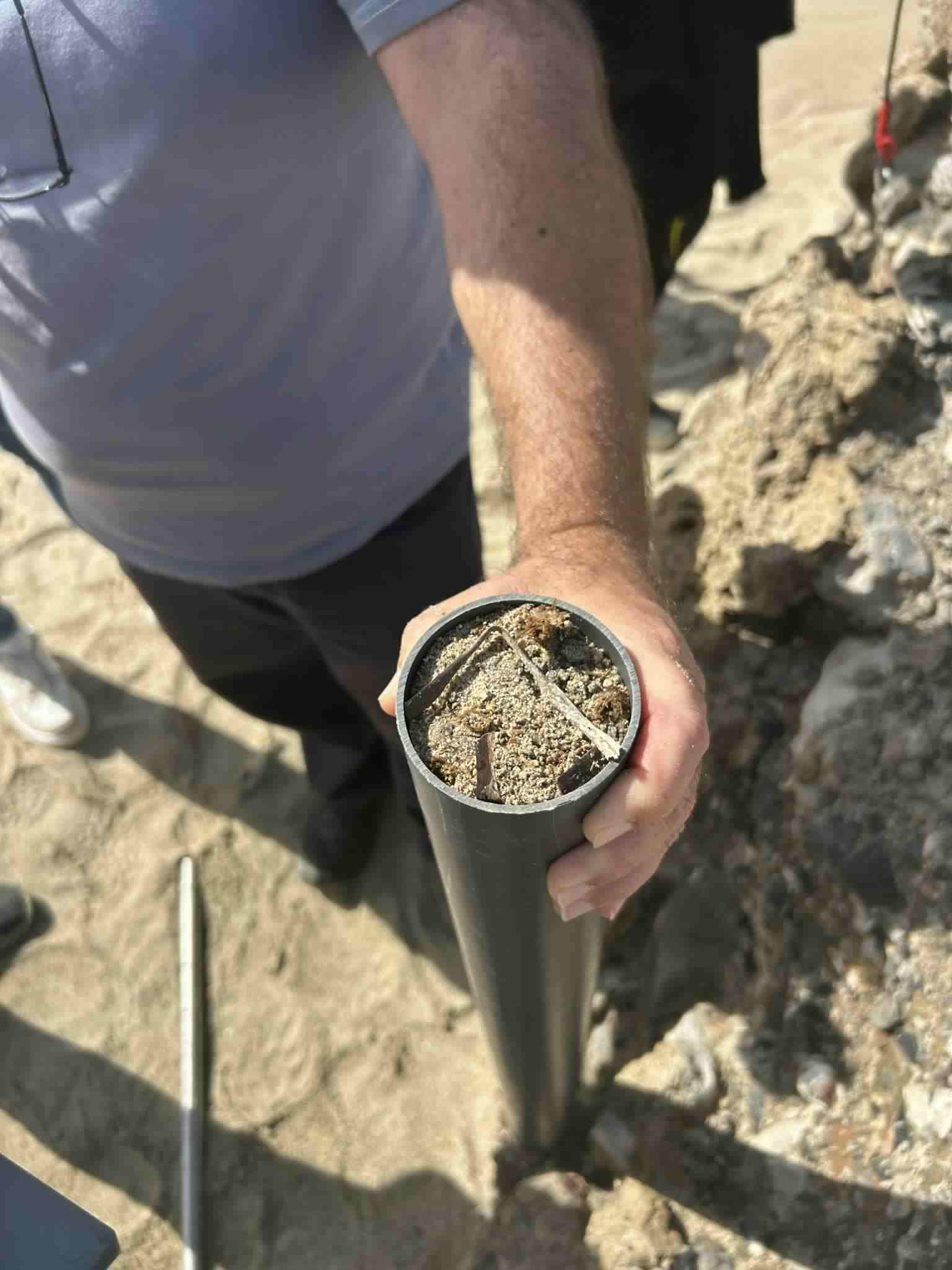
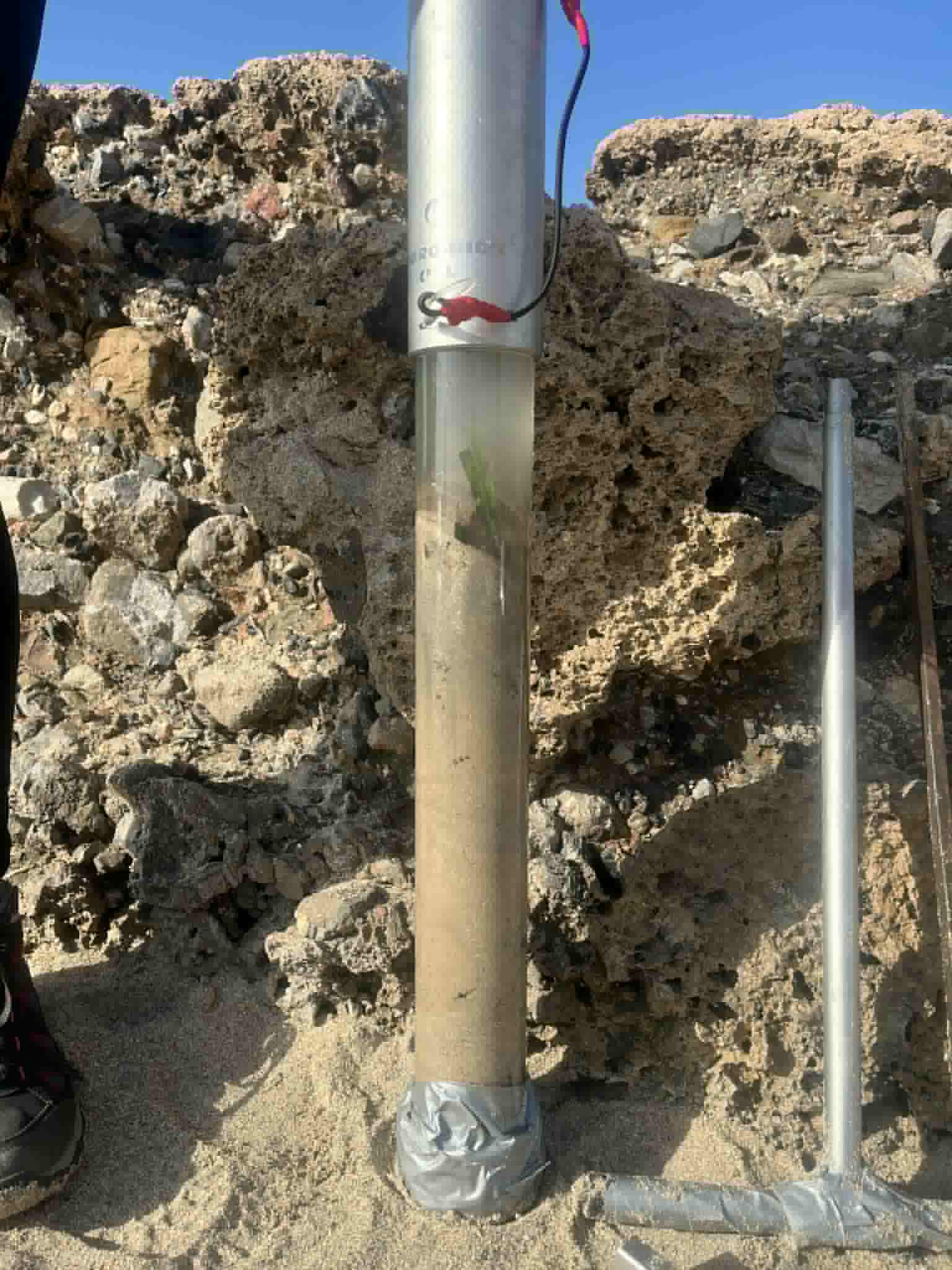
During this interdisciplinary field campaign, data and samples were collected to investigate multiple aspects of the Posidonia ecosystem — including spatial mapping using drone-based remote sensing, biodiversity and ecological assessments, and the collection of sediment cores and seagrass biomass for blue carbon analyses.
The Institute of Geoenergy (FORTH/IG) plays a central role in this effort, focusing on the geochemical analysis of sediments and seagrass biomass. Collected sediment cores will be analyzed for carbon content and stable carbon isotope composition (δ¹³C) using the Institute’s new Isotope Ratio Mass Spectrometry (IRMS) system. These analyses aim to quantify the carbon stocks stored in Posidonia meadows and to identify the sources of this carbon.
In addition, radiochronological methods will be applied to determine the rates of sediment and carbon accumulation, providing valuable insights into the long-term carbon sequestration potential of Mediterranean seagrass meadows.
The expedition was also documented by a film crew, capturing field activities for the BLUEQ documentary, which will highlight the project’s research and the role of science in protecting marine ecosystems.
The successful completion of this first expedition demonstrated the power of interdisciplinary collaboration — combining marine ecology, remote sensing, geochemistry, and science communication — and lays the foundation for the next phases of the BLUEQ Project.
Credits
- Scientific diving and underwater operations: Fisheries Research Institute (ELGO DIMITRA) — Vasillis Papathanasiou, Yannis Kefalas, Paschalis Papadamakis
- Underwater photography: Dimitris Poursanidis
- FORTH/IG team: Evina Gontikaki, Efsevia Fragkou, Katerina Triantafillidi, Georgia Charalampous, Spyros Bellas
- Drone mapping: Marine Remote Sensing Group, Πανεπιστήμιο Αιγαίου
- Documentary: Horizon - Center of Research, Technology and Innovation